Signs Your Fence Needs Repair vs. Full Replacement
How Madison, WI homeowners can tell whether a simple repair is enough or if it is time to invest in a new fence
A fence plays an important role in your property. It adds privacy, improves security, defines your yard, and contributes to your home’s overall appearance. But in Madison, WI, fences deal with harsh seasonal weather, moisture, wind, snow, and temperature swings that can take a toll over time.
When damage starts to show, many homeowners ask the same question: should you repair the fence you have, or is full replacement the smarter choice?
The answer depends on the condition of the fence as a whole. Some issues can be fixed quickly and affordably. Others point to larger structural problems that make replacement the better long-term investment. At Good Neighbor Fencing, we help homeowners make the right call based on the actual condition of their fence.
Signs Your Fence May Only Need Repair
Not every damaged fence needs to be replaced. When the problem is limited and the structure is still in good shape, repair is often the most cost-effective solution.
A few boards or pickets are cracked, warped, or missing
If damage is limited to a small section of the fence, replacing a few boards or pickets may be all that is needed. This is especially common with wood fences that have experienced minor storm damage or everyday wear.
One or two fence posts are loose
Fence posts provide the structural support for the entire fence. If only one or two posts have shifted or loosened, they can often be repaired or replaced without removing the full fence line.
A small section of the fence is leaning
A fence that leans in one isolated area may be repairable if the issue is tied to a single failed post or one weakened section. If the rest of the fence remains stable, a targeted repair may restore function.
Your gate is sagging or will not latch
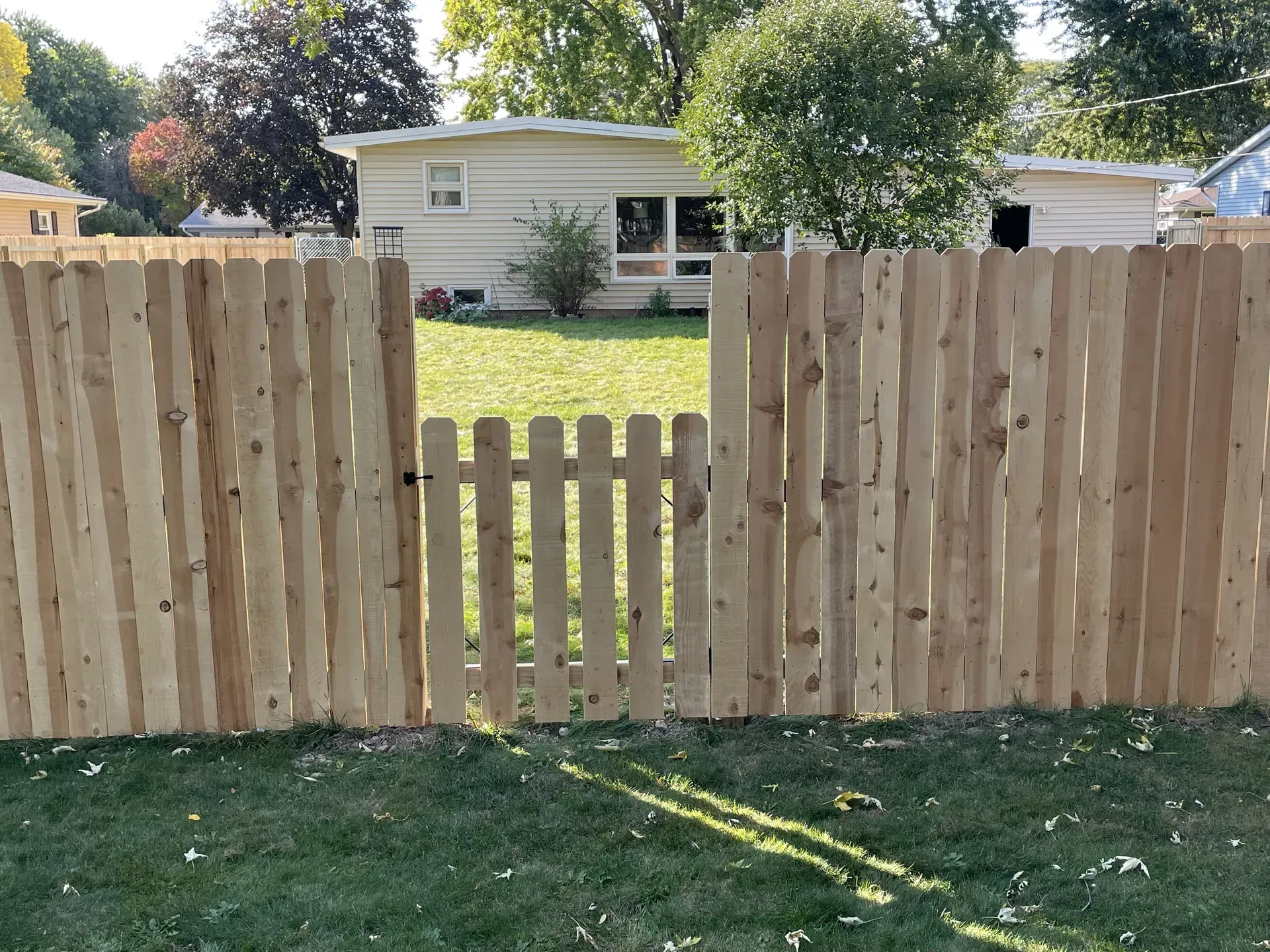
A sagging gate does not always mean the whole fence is failing. In many cases, worn hinges, loose hardware, or a misaligned post can be repaired without replacing the full structure.
The fence is still relatively new
If your fence is only a few years old and the damage is not widespread, repair is usually the better option. A newer fence with isolated issues often has plenty of life left.
Signs It May Be Time for Full Fence Replacement
Repairs make sense when they solve the problem and extend the life of the fence. But when damage is widespread, replacement is often the more practical choice.
Rot or decay is affecting multiple sections
For wood fences, widespread rot is a major warning sign. If several posts, rails, or pickets are soft, cracked, or decaying, repeated repairs may not be enough to restore the fence’s strength and reliability.
Multiple fence posts are failing
If several posts are loose, leaning, rotted, or broken, the structural integrity of the fence is compromised. Once the support system starts failing across multiple areas, full replacement is often the better investment.
The fence leans in several places
A fence that is leaning throughout the property usually points to deeper structural issues. Spot repairs may offer a temporary fix, but they often do not address the full problem.
You keep paying for repairs
Occasional fence repairs are normal. But if you are fixing panels, posts, gates, or hardware every year, the costs can add up quickly. At some point, replacing the fence may be more affordable than continuing to patch it.
There is serious storm or impact damage
Heavy winds, fallen trees, snow load, or accidental impact can damage a fence beyond reasonable repair. When major sections are broken or unstable, replacement may be the safest and most efficient option.
The fence is near the end of its lifespan
Older fences often show multiple signs of wear at the same time. If your fence has recurring issues, fading materials, structural weakness, and visible aging, replacement may make more sense than ongoing repairs.
Questions to Ask Before Choosing Fence Repair or Replacement
Before deciding what to do, ask yourself:
- Is the damage limited to one section or spread across the entire fence?
- Are the posts still secure and stable?
- Does the fence still look good overall?
- Will repairs extend the fence’s life in a meaningful way?
- Are you happy with the current style, material, and level of privacy?
These questions can help clarify whether you are dealing with a simple fix or a fence that is reaching the end of its useful life.
Why Fence Problems Get Worse in Madison, WI
Madison weather can be tough on fencing materials. Moisture, freezing and thawing, snow, and wind all contribute to fence wear over time. Small problems can quickly become larger structural issues if they are not addressed early.
That is why it is important to inspect fence damage carefully and act before repairs become more extensive or replacement becomes unavoidable.
Get Expert Help from Good Neighbor Fencing
The best way to determine whether your fence needs repair or full replacement is to have it evaluated by an experienced fencing professional. What looks like a minor issue on the surface may point to bigger problems underneath. In other cases, a straightforward repair may be all that is needed.
Good Neighbor Fencing helps homeowners in Madison, WI choose the right solution for their property, budget, and long-term goals. Whether you need a repair or a completely new fence, our team is here to help.
Final Thoughts
Knowing the difference between a fence that can be repaired and one that should be replaced can save you money and frustration. Minor issues like a damaged panel or sagging gate may be easy to fix. But widespread rot, failing posts, repeated repairs, and major structural damage often point to replacement as the smarter long-term solution.
If your fence is showing signs of wear, now is the time to take a closer look.
Get a Free Quote Today!
Contact Us